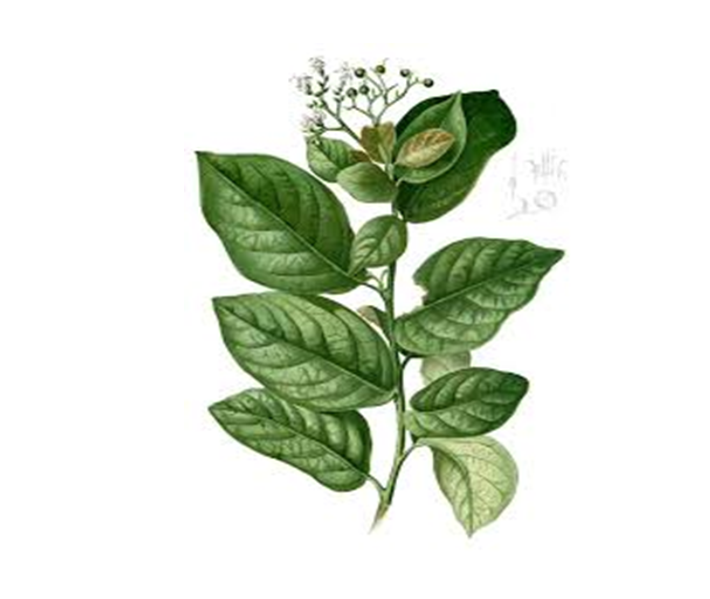
In Vivo Anti-Inflammatory Assessment of a Topical Formulation Containing Ehretia Cymosa Extract Mediated-Silver Nanoparticles
DOI:
https://doi.org/10.4314/njpr.v17i2.4Słowa kluczowe:
Ehretia cymosa extracts, silver nanoparticle, anti-inflammatory activity, ointment formulationAbstrakt
Background: Silver nanoparticles (SNP) are the most preferred and most often used metallic nanoparticles in biomedical studies. However, there are only few studies on its application in topical drug delivery design.
Objectives: This study was carried out to design topical ointments containing n-hexane and methanol
Ehretia cymosa leaf extracts mediated-silver nanoparticles for the treatment of inflammation.
Methods: Silver nitrate was reacted with n-hexane and methanol extracts of Ehretia cymosa leaf to synthesize SNP used in the formulation of an ointment. The SNP was characterized by visual observation, UV–visible spectroscopy, atomic absorption spectroscopy and FTIR spectroscopy. The physical characteristics of the ointment and spreadability were evaluated. Inflammation was inflicted by carrageenan-induced paw acute edema method in albino rats. The linear paw circumference was measured hourly after application of the ointment.
Results There was colour change as the synthesis progresses. The absorption peak of n-hexane SNP (N-SNP) and methanol SNP (M-SNP) was 450 nm and 430 nm respectively. The ointments were easy to administer with satisfactory spreadability but difficult to wash off. Ointments containing SNP had significantly higher activity (p < 0.05) than the crude extract and ointments containing M-SNP had significantly higher activity (p < 0.05) than ointments containing N-SNP.
Conclusion: The anti-inflammatory activity of ointment containing SNP synthesized with methanol extract is significantly higher compared to ointment formulations containing silver nanoparticle synthesized with n-hexane extract and the reference drug (diclofenac).
Bibliografia
Pobrania
Opublikowane
Numer
Dział
Licencja
Prawa autorskie (c) 2022 Nigerian Journal of Pharmaceutical Research

Utwór dostępny jest na licencji Creative Commons Uznanie autorstwa – Użycie niekomercyjne – Bez utworów zależnych 4.0 Międzynarodowe.
